
STEM
1.Doctor Jupiter Preschool Science Kit
A kit made for ages 3-5 with simple mix, pour and observe activities that introduce early science through hands-on play.
At this age, science is just asking why and then poking at things to find out. Preschoolers love mixing, magnifying, sorting and watching something change right in front of them. A good gift gives them real tools sized for small hands and results that show up fast, since a three-year-old's patience for waiting on an experiment is short.
Updated October 14, 2026 · Picks refresh weekly from what's selling now
As an Amazon Associate, Bday Reg earns from qualifying purchases.
A kit made for ages 3-5 with simple mix, pour and observe activities that introduce early science through hands-on play.

Sturdy, focus-free binoculars sized for small hands, ideal for preschoolers spotting birds and bugs on nature walks.

Answers the endless "why?" questions of curious preschoolers with bright photos and short, simple explanations.
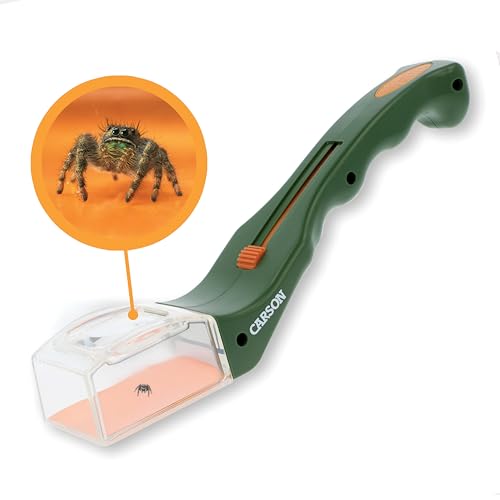
A thumb-slide viewer lets little scientists safely catch, magnify and release bugs, with no jars or squishing.

A rhyming Cat in the Hat Learning Library book that makes planets and the solar system fun to read aloud at bedtime.

Easy, kid-friendly experiments like fizzing and color mixing let a 4-year-old see science happen in front of them.
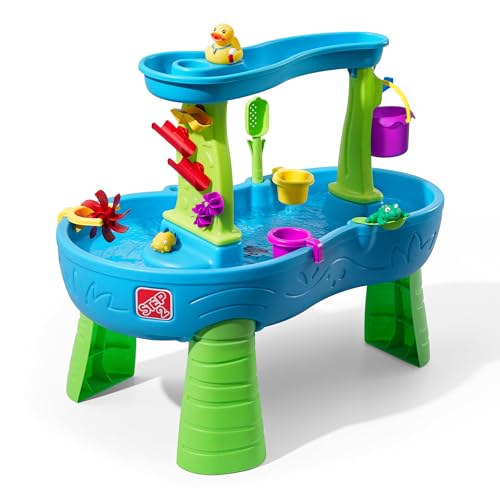
Spinners, ramps and a waterfall teach cause and effect and flow as kids pour, scoop and splash outdoors.

A build-it rocket with easy instructions gives space-loving preschoolers a hands-on assembly project and fine-motor practice.

Kids catch bugs, watch them up close in a 360-degree habitat, then release them, which makes a great nature-study starter.

A fishing and counting game at a toddler-friendly height blends water exploration with early math for young scientists.

A varied set of 60+ simple experiments gives curious 4 and 5 year olds plenty of discovery projects to repeat.
Look for sensory and observation toys: a kid-sized magnifying glass, water and sand play sets, large sealed magnets, and bug-viewing containers. At three, exploring matters more than following instructions. Avoid kits with tiny parts, small loose magnets, or ingredients you have to measure, and plan to supervise closely.
Kits labeled for ages 3 and up are designed with young children in mind, but adults should still supervise every activity. Check for small parts, chemicals and anything a child might taste. Kits built around everyday safe materials like water, baking soda or food coloring are usually a better match than ones with specialized chemicals.
Start with what they already notice: bugs, puddles, shadows, how things float. Give them a tool such as a magnifier or a measuring cup and ask open questions like 'What do you think will happen?' Short, hands-on activities that take under 15 minutes tend to hold a preschooler's attention best.