
STEM
1.Snap Circuits Beginner Electronics Kit
Snap-together parts let 6-8 year olds build real working circuits like lights and alarms, with no tools or soldering.
Kids ages 6 to 8 ask why about everything, which makes it a great time for hands-on science. They enjoy experiments with visible results like fizzing, growing, and glowing, plus tools that let them explore the world outside. A good science gift answers one question and sparks three more.
Updated October 14, 2026 · Picks refresh weekly from what's selling now
As an Amazon Associate, Bday Reg earns from qualifying purchases.
Snap-together parts let 6-8 year olds build real working circuits like lights and alarms, with no tools or soldering.

A kid-friendly chemistry lab with 50 hands-on experiments, such as fizzing reactions, that suits curious younger scientists.

Large focus knobs and prepared slides make it easy for young kids to zoom in on plants and everyday objects.

Over 50 simple experiments pitched at ages 4 and up, so a 6-8 year old can do many of them independently.

A classic electronics kit with 100+ projects that grows with a kid who loves figuring out how gadgets work.

Comes with prepared and blank slides plus a carry case, so kids can examine real specimens and make their own.

Kids excavate 15 gems from a moon-themed block, mixing geology and space with a satisfying hands-on dig.

Kids build and decorate a mini garden with glow-in-the-dark details, then watch the plants grow over time.

A see-through planter lets kids watch roots and sprouts develop day by day, a real botany lesson.
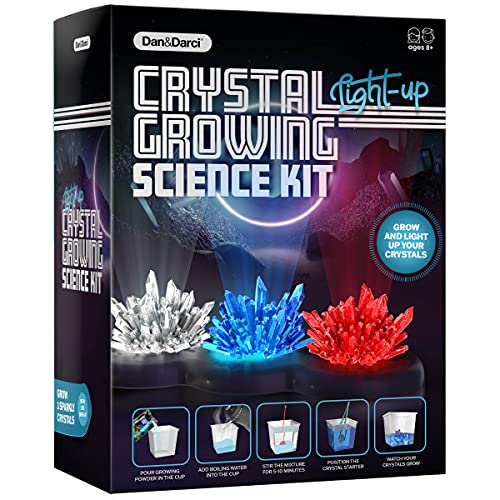
Kids grow their own crystals, then display them glowing on a light-up stand once they finish growing.

Over 60 beginner experiments written for ages 4-8+, giving younger kids plenty of easy wins.

Grows six colorful crystals, including a glow-in-the-dark one, and kids can see the chemistry happen.
Experiment kits, crystal growing sets, kid-friendly microscopes, and simple circuit or engineering builds are all strong choices for 7-year-olds. They let kids see results quickly and practice observing and asking questions. Look for kits labeled for ages 6 to 8 so the steps match their reading and focus.
Most kits marketed for ages 6 to 8 are designed to be safe with normal supervision. Read the age label and instructions, keep an adult close for any step involving heat or chemicals, and store small parts away from younger siblings. Eye protection is often included for good reason.
Start with what your child already talks about. Kids who love mess and reactions tend to enjoy chemistry, those who stare at the sky like space kits, and outdoor explorers enjoy nature tools. When in doubt, choose a kit with a mix of short experiments so they can find their favorite.