Puzzles
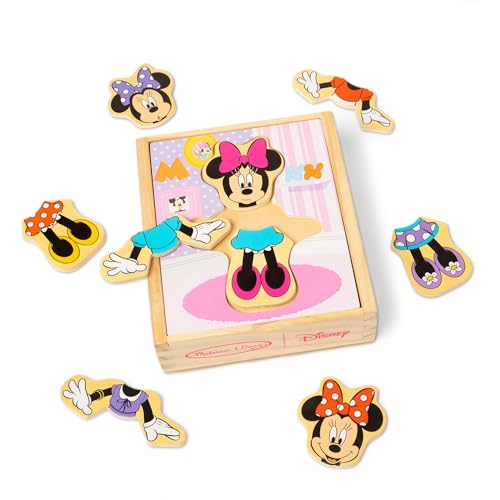
1.Melissa & Doug Disney Minnie Mouse Dress-Up Puzzle
Mix-and-match wooden outfit pieces turn a puzzle into pretend play, with a box that keeps everything together.
Puzzles quietly build the skills preschoolers use everywhere: hand control, patience, spotting shapes and solving problems. The sweet spot is a challenge that feels doable, so a child finishes with a proud grin instead of a meltdown. Pictures of favorite animals, vehicles or characters keep motivation high, and sturdy pieces survive being dumped out daily.
Updated October 14, 2026 · Picks refresh weekly from what's selling now
As an Amazon Associate, Bday Reg earns from qualifying purchases.
Mix-and-match wooden outfit pieces turn a puzzle into pretend play, with a box that keeps everything together.

Chunky 24-piece shaped floor puzzle that vehicle-loving preschoolers can build on their own.

Quick memory matching with Bluey, Bingo, Bandit and Chilli suits ages 3-5 and works for family game time.

Three larger-piece Cars jigsaws give 4-5 year olds a step up from chunky puzzles, with characters they know.

Four 20-piece dinosaur wooden puzzles offer a good jigsaw challenge for dino-obsessed 3-5 year olds.

Four 24-piece fairy-tale puzzles give unicorn and princess fans lots of replay.

Compact magnetic puzzles with a fantasy theme keep little hands busy on car rides and flights.

56 farm animal cards build matching, counting and early vocabulary skills in a simple memory game.

Self-correcting animal head-and-tail puzzles are an easy first step into jigsaws and matching.

A 2x3 foot underwater scene with sharks and dolphins is a satisfying bigger build for ages 3-5.

Easy-grip peg puzzles covering letters, numbers, shapes and animals suit early learners just starting puzzles.

52 cute baby animal cards make a gentle memory game that builds focus and animal names.
Most three-year-olds do well with about 4 to 12 large pieces, often in a wooden or thick cardboard frame. Many 4-year-olds move on to 12-24 pieces, and 5-year-olds often handle 24-48. Every child differs, so start slightly easy and step up once they finish with confidence.
Neither is better for everyone. Wooden puzzles with knobs or chunky pieces are easy for small hands and survive rough treatment. Cardboard floor puzzles show larger pictures and are often cheaper, but pieces can bend or tear. For kids still putting things in their mouths, choose pieces too big to swallow.
Puzzles help preschoolers practice fine motor control, shape recognition, matching and problem solving. They also teach persistence, since a child has to try and adjust. Doing a puzzle together adds vocabulary, as you talk about colors, edges and where pieces might fit.