Puzzles
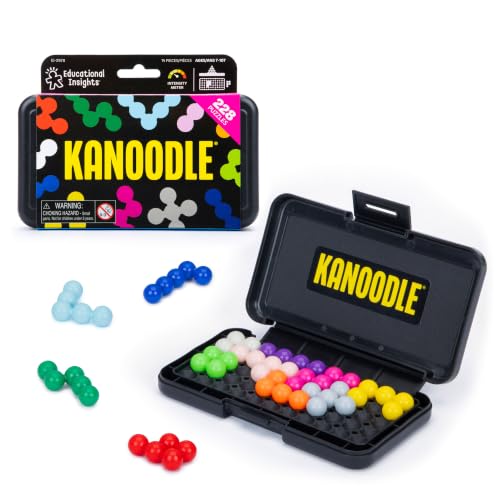
1.Educational Insights Kanoodle 3D Puzzle Game
A pocket-size spatial puzzle with hundreds of challenges that builds logic and problem-solving for curious 6-8 year olds.
By ages 6 to 8, kids can stick with a challenge long enough to enjoy the click of a finished jigsaw or a logic puzzle solved on their own. Puzzles are a great screen-free gift that builds focus and confidence. The sweet spot is a puzzle that feels hard at first but is clearly doable.
Updated October 14, 2026 · Picks refresh weekly from what's selling now
As an Amazon Associate, Bday Reg earns from qualifying purchases.
A pocket-size spatial puzzle with hundreds of challenges that builds logic and problem-solving for curious 6-8 year olds.

A no-glue 72-piece puzzle ball with Pokémon characters, made for kids 6 and up and fun to display afterward.

A 100-piece Pokémon jigsaw for ages 6+ with a bonus poster guide, a good size for early independent puzzlers.

One player tangles the ropes and the other figures out how to untie them, a logic challenge for two that builds planning skills.

Kids assemble a Pikachu from foam sheets with no glue, then keep it on a shelf as a display piece.

Over 125 mazes, logic puzzles, word searches and brain teasers from a trusted kids' brand, good for car rides and quiet time.

A mystery storyline wraps 150+ logic puzzles, so kids who like solving clues stay engaged from page to page.

A 70-piece floor puzzle of the US map that teaches geography while kids ages 6-8 piece it together.

A 100-piece jigsaw with Moana artwork, sized for ages 6-8 and a favorite for kids who love Disney.

A silly 'what am I?' guessing game that builds deduction skills and gets the whole family playing together.

A workbook of spatial reasoning, math puzzles and two-player games that stretches thinking skills for kids who love puzzles.

More spatial reasoning, math puzzles and two-player games for kids who finish the first workbook quickly.
Many 7-year-olds do well with jigsaw puzzles in the 100 to 200 piece range. If your child is new to puzzles, start on the lower end, and move up if they finish quickly. A puzzle that takes a few sittings tends to feel rewarding without becoming frustrating.
Logic puzzles, maze books, sudoku for kids, mechanical brain teasers, and 3D puzzles are all good options for this age. They build different thinking skills and suit kids who don't love jigsaws. Look for ones labeled for ages 6 to 8 so the rules and difficulty fit.
Puzzles give kids practice with problem-solving, visual attention, and persistence, and they are a calm, screen-free activity. They are not a replacement for school learning, but they make a good, low-pressure way to build focus. Doing one together can also be a nice way to spend time.