
STEM
1.ELEGOO UNO R3 Smart Robot Car Kit V4 with Camera
Teens build the car, then code line tracking, obstacle avoidance and camera driving in Arduino.
Teens who like coding and robotics tend to love projects where code does something visible, like moving a motor, lighting an LED, or controlling a game. The best gifts let them build, break, and try again without hitting a wall. Match the difficulty to what they've already done, and pick kits that grow with them rather than finish in an afternoon.
Updated October 14, 2026 · Picks refresh weekly from what's selling now
As an Amazon Associate, Bday Reg earns from qualifying purchases.
Teens build the car, then code line tracking, obstacle avoidance and camera driving in Arduino.
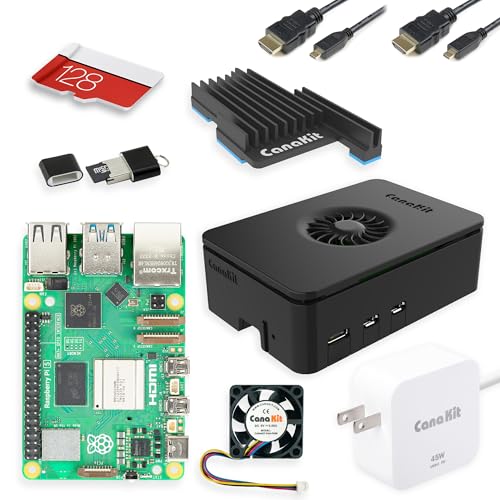
A complete mini computer with everything included, perfect for teens to run Python projects, build robot brains and experiment with Linux.
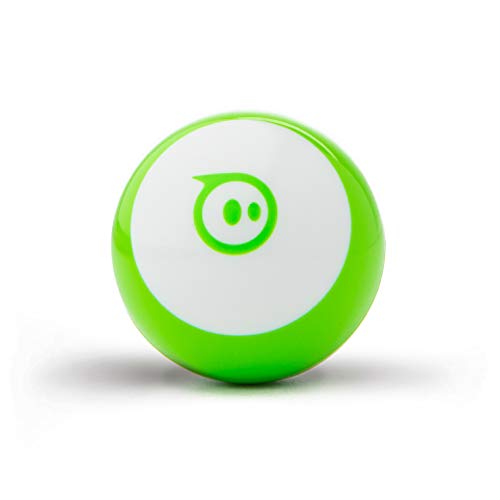
A tiny app-controlled robot ball that teens program with the Sphero Edu app, from block coding up to JavaScript.

Built for ages 12-16, this modular kit makes a programmable 5-axis arm and tank car with Arduino and Scratch coding.
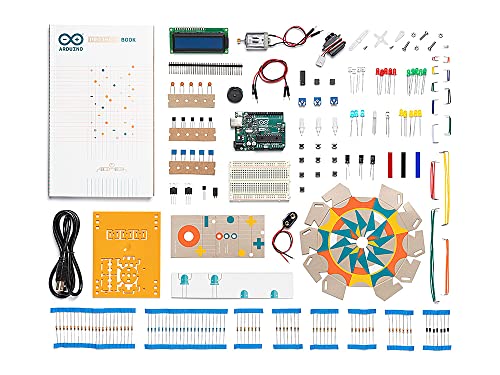
The original Arduino kit with 12 guided projects teaches real circuits and C++ coding, a classic first step into robotics.

Made for ages 12+, teens assemble a water-powered robotic arm and learn real mechanical engineering by building it.

Includes the newer WiFi-enabled Arduino board so teens can build connected IoT gadgets with sensors and displays.

Step-by-step visual lessons let teens code their own Python games and learn programming concepts as they play.

A Raspberry Pi Pico kit with servo, LEDs and display lets teens program hardware in MicroPython.

Teens build five robot models from 757 pieces and drive them by app or remote, with coding built in.
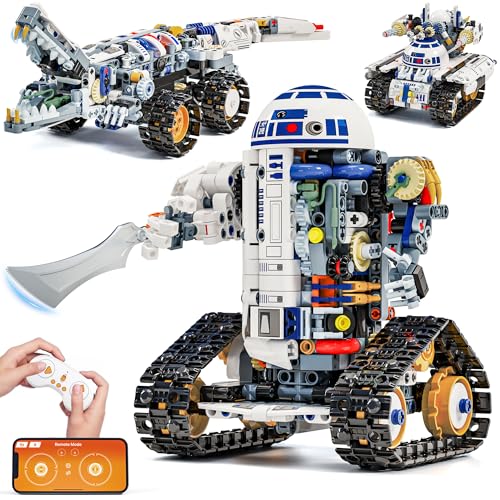
A build-it-yourself robot that transforms into three models, with app and remote control for hands-on engineering fun.

A 200+ component Arduino kit with 30+ guided projects takes teens from blinking LEDs to RFID and LCD builds.
A good first kit is one that's built from clear steps and programmed with beginner-friendly tools. Look for options with printed or online guides, no soldering, and a path to text-based code later. Avoid kits that need many extra parts bought separately.
Not always, but many do. Some kits run on a phone or tablet app, while microcontroller boards usually need a laptop to program. Check the product's listed requirements before buying so the teen can use it right away.
Most people spend $25-$60 on beginner electronics kits and books, and $80-$150 or more for larger robot builds. Starting with a basic kit and adding sensors or parts later is easier on the budget than buying everything at once.