STEM
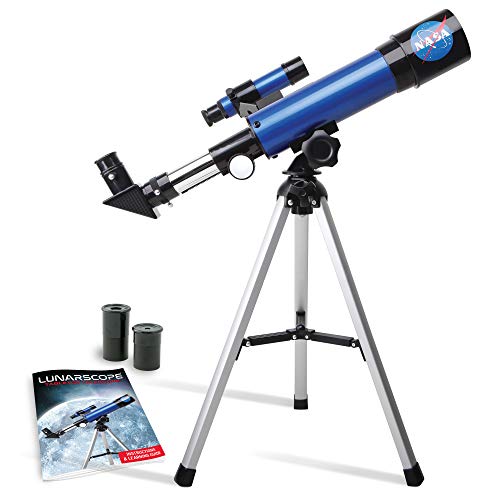
1.National Geographic NASA Lunar Telescope
A kid-friendly tabletop telescope with finder scope and tripod for ages 8-12 to spot craters on the moon.
Kids at this age are old enough to understand planets, orbits, and rockets, and many are fascinated by how big and strange the universe is. Whether they dream of being an astronaut or just love looking up at night, the best space gifts let them observe, build, or learn something they can actually do from the backyard.
Updated October 14, 2026 · Picks refresh weekly from what's selling now
As an Amazon Associate, Bday Reg earns from qualifying purchases.
A kid-friendly tabletop telescope with finder scope and tripod for ages 8-12 to spot craters on the moon.

A 70mm beginner refractor with phone adapter and two eyepieces lets a space-obsessed kid view the moon and planets.

Stunning visuals and deep facts on planets, stars, and space missions suit curious 9-12 year olds.

Kids build and paint a moving, glowing solar system that doubles as bedroom decor.

Over 50 hands-on space experiments give ages 8+ a lab-style way to explore astronomy.

A tour of the solar system and beyond with photos and clear explanations that readers 9-12 can enjoy on their own.

Kids paint stars, galaxies, and planets on a 3D moon, then use it as a night light.

Kids build a rocket and launch it about 10 feet while learning Newton's Third Law.

Digging out 15 gemstones from a moon-themed block is a hands-on treat for young rock and space fans.

300 quirky out-of-this-world facts make a fun, snackable read for kids who love space trivia.

Kids assemble a gear-driven rotating planet model and see how the solar system moves.
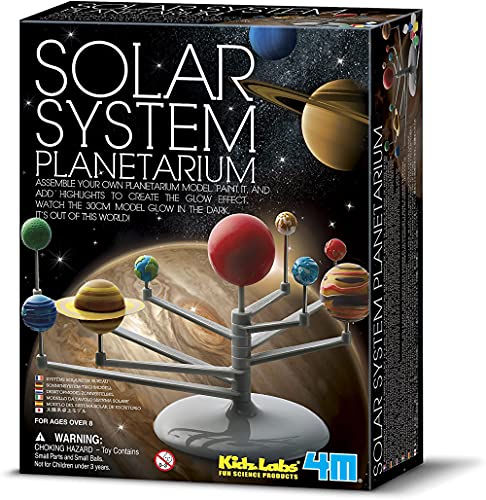
Kids paint glow-in-the-dark planets and hang the finished model, with a fact-filled guide included.
A beginner telescope with a sturdy mount and easy controls is best for a 10-year-old. Ease of setup matters more than maximum power. Kids can see the moon, bright planets, and some star clusters, which is enough to build real excitement.
Star maps, planispheres, glow-in-the-dark constellation kits, model rockets, solar system builds, and astronomy books all work without a telescope. Binoculars are another easy way to see the moon and brighter stars.
Many kids this age love the scale and mystery: black holes, planets, rovers, and rockets. They often enjoy facts they can share and projects they can build. Gifts that connect to something they can see in the night sky tend to stick.