Music
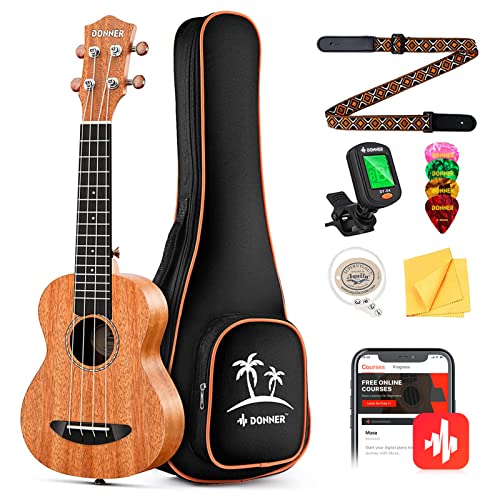
1.Donner Soprano Ukulele Beginner Kit
A complete starter set with gig bag, tuner and online lessons, so a music-loving tween can learn real songs right away.
Between ages 9 and 12, music becomes personal. Kids start choosing their own playlists, picking up an instrument at school, and caring about what their favorite artists say about them. The best gifts either feed that taste or give them a new way to make sound, without needing a lesson plan or a quiet house.
Updated October 14, 2026 · Picks refresh weekly from what's selling now
As an Amazon Associate, Bday Reg earns from qualifying purchases.
A complete starter set with gig bag, tuner and online lessons, so a music-loving tween can learn real songs right away.
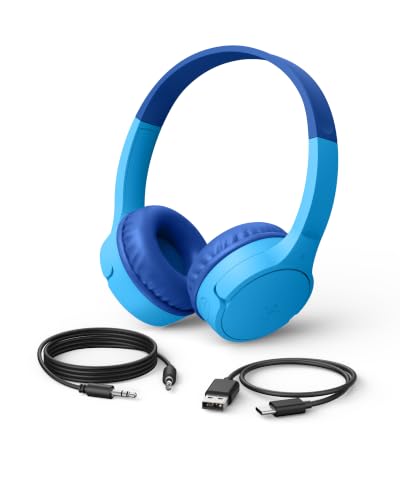
Volume-limited Bluetooth headphones from a trusted brand that let a young music fan listen safely at home, at school or while traveling.
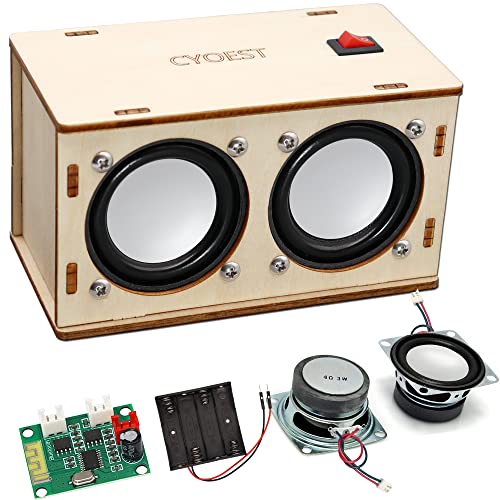
Kids build a working Bluetooth speaker and learn how sound is made, which suits curious music lovers.

Song prompts and lessons on rhyme, rhythm and structure help kids turn their love of music into their own lyrics.

A solid-wood beginner ukulele bundle with free lessons, strap and spare strings gives a first instrument everything it needs.

Foldable wireless over-ear headphones with an 85/94dB limiter and long battery life for music on the go.

Kids assemble a wooden piano and then play real tunes on it, mixing a craft project with music.

Builders solder-free assemble a light-up speaker, then pair it to their phone and play their favorite playlists.

The classic lights-and-sounds pattern game builds rhythm and memory and is fun solo or competing with friends.
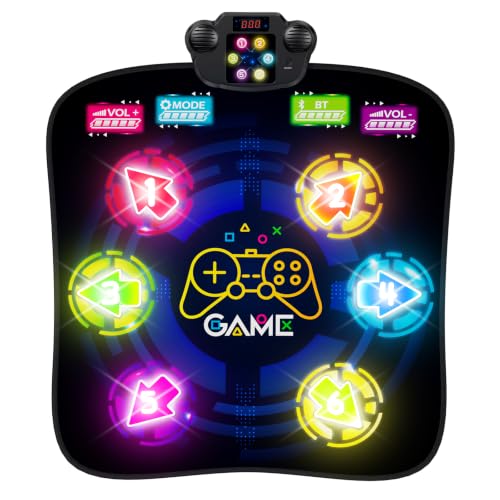
Kids step to the beat across five game modes and can connect their own music over Bluetooth for active play.

Pre-cut wooden models including a hand-cranked music box let kids build and then enjoy the melody they made.

A touchscreen watch with a built-in music player, games and camera lets kids carry their tunes everywhere.
Ukuleles, keyboards, and recorders or similar simple wind instruments are popular first choices because they are affordable, portable, and easy to get a recognizable sound from. The best pick is the one your child is curious about, so ask what they would want to learn before you buy.
Most people spend $20 to $50 on accessories, games, or beginner gear, and more for a full instrument or quality headphones. Beginners rarely need expensive equipment. A reasonably priced starter option is usually enough until they show they will stick with it.
Headphones, a portable speaker, music-themed games, beat-making toys, and books about musicians all work well. These let kids enjoy and explore music without lessons or practice. They also suit tweens who are still figuring out whether they want to play anything.