
Building
1.MEGA BLOKS First Builders Big Building Bag
Chunky, easy-grip blocks sized for small hands, made for a 1-2 year old's first stacking and knocking-down.
Toddlers don't build castles yet; they stack two or three, grin, and knock them down. That's exactly the point. Blocks teach balance, cause and effect, and hand control, and they grow with a child from stacking to sorting to simple towers. The best sets are lightweight, easy to grab, and big enough to be choke-safe.
Updated October 14, 2026 · Picks refresh weekly from what's selling now
As an Amazon Associate, Bday Reg earns from qualifying purchases.
Chunky, easy-grip blocks sized for small hands, made for a 1-2 year old's first stacking and knocking-down.
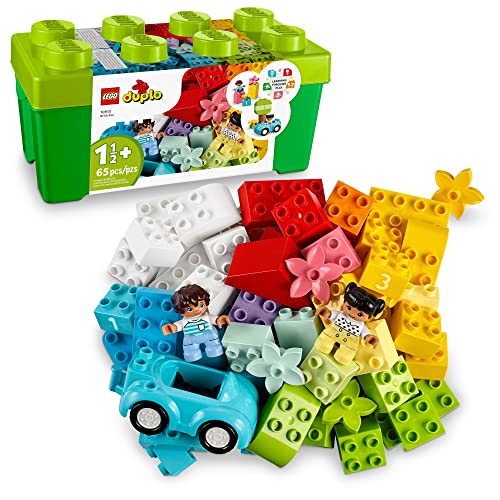
Large DUPLO bricks snap together easily, giving toddlers a first taste of real building with room to grow.

Classic solid-wood blocks for towers and bridges, with a box that makes cleanup part of the play.

Squishy textured blocks with numbers, animals and shapes are gentle on toddler hands and safe to throw and stack.

Rainbow cups from a toddler favorite teach colors and stacking, and nest for bath or sandbox play.

Four soft, oversized blocks with letters, animals and textures that are easy for little ones to grip and stack.

Ten lightweight nesting blocks with letters and pictures let toddlers stack towers or tuck them inside each other.

Eight bright numbered cups for stacking, counting and splashing, working as both a bath toy and a block-style stacker.

A hundred natural beechwood blocks in a carry container give toddlers open-ended building they can grow with.

Jumbo corrugated cardboard bricks are light and sturdy, so toddlers can build big walls and forts without worry.

Lightweight soft foam blocks in many shapes are quiet to knock down and gentle for little builders.

Oversized rainbow cubes click together magnetically, making early stacking easier for small hands.
Most babies can begin exploring soft or chunky blocks around 9 to 12 months by grasping and banging them. By 12 to 18 months many toddlers start stacking two or three, and by 2 they may line them up or build short towers. Every child develops at their own pace, so follow their lead.
Regular small interlocking bricks are typically labeled for ages 3 and up, often 4+, because the pieces are choking hazards. For a 2-year-old, choose large-format bricks labeled for toddlers, usually marked 1+ or 18 months+. Check the age grade and keep older siblings' small-piece sets out of reach.
Chunky wooden blocks, soft foam or fabric blocks, and large snap-together bricks are the top types. Soft ones suit throwers and early stackers, wood suits steadier hands, and big bricks add early fine-motor practice. Many families keep a mix so there's something for each mood.